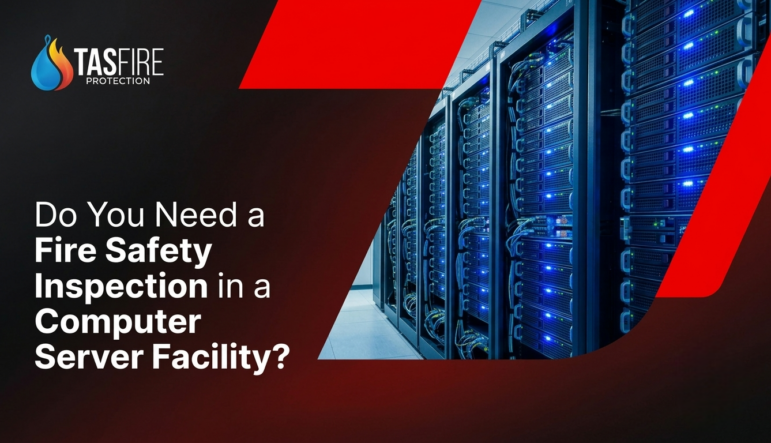
Do You Need a Fire Safety Inspection in a Computer Server Facility?
Yes, a computer server facility needs regular fire safety inspections to help protect people, critical equipment, and valuable business data. Servers operate continuously, often within rooms containing dense electrical connections, powerful hardware, and cooling systems. These conditions can increase fire risks if equipment is poorly maintained or electrical faults go unnoticed.
For businesses that depend on uninterrupted access to their systems, the consequences of a fire can extend far beyond physical damage. Lost data, interrupted services, recovery expenses, and operational downtime can affect customers and revenue. Regular fire safety inspections help identify hazards early and ensure that essential fire protection systems are ready to respond when needed.
Why Server Facilities Face Unique Fire Risks
Server rooms and data centers have specific fire risks because they combine electrical equipment, heat generation, and complex infrastructure in relatively confined spaces.
- Overloaded circuits and overheated equipment: Servers, storage units, and networking devices consume significant electrical power. Overloaded circuits, damaged cables, or faulty connections can generate excessive heat and potentially ignite nearby materials.
- Dense cabling and hidden wiring faults: Large cable bundles can make it difficult to identify damaged insulation, loose connections, or other electrical problems. Poor cable management may also restrict access during maintenance.
- Cooling system failures: Servers produce heat continuously. If air conditioning or ventilation fails, temperatures can rise quickly, potentially affecting equipment and increasing the risk associated with overheating components.
- Unnoticed fires: Some server rooms operate without regular staff presence. A small electrical fire may develop before anyone notices smoke, especially if detection systems are inadequate or malfunctioning.
Understanding these risks helps facility managers develop a fire protection plan suited to their equipment and building layout.
Which Fire Safety Standards Apply to Server Rooms?
Fire safety requirements for server rooms depend on the building type, installed protection systems, locally adopted fire codes, and applicable insurance conditions. Facility managers should identify which requirements apply to their premises and ensure that inspections, testing, and maintenance are completed accordingly.
Key NFPA standards relevant to server facilities include:
- NFPA 75: Provides guidance on fire protection for information technology equipment and related areas.
- NFPA 72: Establishes requirements for fire alarm and signaling systems, including applicable inspection, testing, and maintenance.
- NFPA 25: Covers the inspection, testing, and maintenance of water-based fire protection systems, including sprinklers.
- NFPA 2001: Covers clean agent fire extinguishing systems, which may be used to protect sensitive electronic equipment where appropriate.
- NFPA 13: Establishes requirements for the installation of sprinkler systems.
- NFPA 10: Covers the selection, installation, inspection, maintenance, and testing of portable fire extinguishers.
Each standard addresses a different aspect of fire safety. Not every requirement applies to every facility, so businesses should consult a qualified fire protection professional to determine the appropriate fire detection, suppression, and protection measures for their server room or data center. Actual requirements depend on the locally adopted codes and the facility’s specific design.
What Fire Protection Systems Are Found in Server Facilities?
The appropriate fire protection equipment depends on the facility’s size, design, fire risks, and operational needs.
- Early smoke detection
Sensitive smoke detection can identify signs of a fire before flames become widespread. Some facilities use aspirating smoke detection systems that continuously sample air for smoke particles.
- Fire alarm and notification systems
Fire alarms alert occupants and designated responders when a potential fire is detected. Inspections help verify that detectors, control panels, notification devices, and associated components function correctly.
- Pre-action sprinkler systems
Pre-action systems require a designated detection or triggering sequence before water enters the sprinkler piping. They can help reduce the risk of accidental water discharge, but they do not eliminate water damage or replace proper system design and maintenance.
- Portable fire extinguishers
Fire extinguishers rated for energized electrical equipment (Class C) should be selected based on the fire hazards present. Clean agent or CO₂ extinguishers are often preferred around sensitive electronic equipment because they leave little to no residue. Dry chemical extinguishers can leave residue that may damage electronics. Extinguishers should be accessible, properly labeled, in good condition, and inspected regularly.
- Emergency lighting
Emergency lighting helps occupants find safe exit routes if normal lighting fails during an emergency. It is particularly important in facilities containing equipment racks, narrow aisles, or secured access areas.
- Clean agent suppression
Discharges a gas that extinguishes fire without water or residue. Common in server rooms and data centers. The room must be sealed, and the system needs professional design.
Some facilities may also require specialized fire suppression systems designed to protect sensitive equipment. These systems should be selected by qualified professionals based on the facility’s specific risks.
What Does a Fire Safety Inspection Cover?
A professional inspection examines whether fire protection equipment is accessible, maintained, and functioning as intended. The exact scope depends on the installed systems and applicable requirements.
Typical inspection activities include:
- Detection and alarm testing: Checking detectors, alarm panels, notification devices, and system signals according to the applicable testing procedures.
- Sprinkler and pre-action system inspection: Examining relevant valves, gauges, piping, supervisory devices, and other components for damage, obstruction, or abnormal conditions.
- Fire extinguisher checks: Confirming that extinguishers are accessible, correctly positioned, appropriately rated, and within their required inspection and maintenance schedules.
- Emergency lighting and exit routes: Verifying lighting operation, checking exit signs, and identifying blocked or obstructed escape paths.
- Electrical and housekeeping observations: Looking for visible cable damage, overloaded power strips, combustible clutter, and restricted equipment access.
- Documentation review: Checking previous inspection reports, identified defects, completed repairs, and outstanding maintenance recommendations.
An inspection report should identify deficiencies and explain the corrective action required. Any specialist electrical work should be performed by appropriately qualified personnel.
Common Fire Safety Violations in Server Rooms
Several preventable problems can weaken a server facility’s fire protection arrangements.
Common issues include:
- Blocked exits or restricted access to fire safety equipment.
- Missing, damaged, or overdue fire extinguisher maintenance.
- Overloaded power strips, damaged cables, or unsafe electrical connections.
- Fire detectors, alarms, or suppression equipment that have not been tested or maintained as required.
- Sprinkler valves that are obstructed, improperly positioned, or not maintained.
- Missing inspection records or unresolved deficiencies from previous reports.
These issues should be addressed promptly. Staff should never disable alarms, obstruct sprinkler equipment, or make unauthorized changes to fire protection systems to accommodate server installations.
Benefits of Regular Fire Safety Inspections
Routine inspections provide practical benefits beyond meeting applicable requirements.
- Protects people and equipment: Identifies conditions that could compromise occupant safety or damage expensive hardware.
- Reduces downtime risks: Helps detect developing problems before they contribute to a serious incident.
- Supports compliance and insurance requirements: Provides documented evidence of maintenance and helps businesses address applicable obligations.
- Identifies faults early: Reveals deterioration, damaged components, and system failures that might otherwise remain unnoticed.
- Controls recovery costs: Early corrective action may help reduce the likelihood of extensive repairs, business interruption, and liability expenses.
Inspections cannot eliminate every fire risk, but they are an important part of a broader prevention and emergency preparedness strategy.
Server Room Fire Safety Checklist
Use this checklist as a starting point for routine internal reviews. It does not replace formal inspections or testing required by applicable codes.
- Smoke detectors and fire alarms appear operational, with required testing up to date.
- Fire suppression and sprinkler systems have current inspection records.
- Pre-action system valves and associated equipment remain accessible.
- Appropriate fire extinguishers are available and properly maintained.
- Electrical cables and power connections show no visible signs of damage.
- Cooling systems are operating, and temperature alerts are configured where appropriate.
- Equipment racks, exits, and fire protection devices are free from obstructions.
- Emergency lighting and exit signs have been checked according to applicable requirements.
- Previous inspection findings have been addressed and documented.
How TAS Fire Protection Can Help
Protecting a server facility requires more than installing fire safety equipment. Regular inspection, testing, and maintenance help ensure that essential systems remain ready to perform when needed.
TAS Fire Protection provides fire inspection and maintenance services for commercial and other properties. Businesses can explore its fire inspection services, fire alarm systems, fire extinguisher services, and emergency lighting systems.
Whether you manage a dedicated data center or a smaller server room, a professional assessment can help identify potential issues and clarify the maintenance work your facility needs.
Contact TAS Fire Protection to request an inspection or quote and take the next step toward a safer, better-prepared facility.
Frequently Asked Questions
Are fire inspections mandatory for data centers?
Requirements depend on the facility, applicable building and fire codes, local regulations, and insurance conditions. Data center operators should confirm the required inspections and maintenance schedules with the relevant authorities and qualified professionals.
How often should a server room be inspected?
The frequency depends on the equipment, system type, applicable standards, and local requirements. Some systems require monthly visual checks, while others have quarterly, annual, or different testing schedules. Follow the applicable requirements and manufacturer instructions.
What type of fire suppression is best for server rooms?
The best option depends on the room’s layout, equipment, occupancy, and fire risks. Pre-action sprinklers and approved clean-agent systems may be considered in suitable facilities. A qualified fire protection professional should assess the available options.
Can water sprinklers damage server equipment?
Yes. Water can damage electronic equipment, but sprinklers are designed to control fires and protect life and property. Proper system design, maintenance, and suitable equipment protection measures help balance fire safety with the risk of water damage.
What records should I keep after an inspection?
Keep inspection reports, testing results, maintenance records, repair invoices, identified deficiencies, corrective actions, and documentation required by applicable codes and insurance policies. These records help demonstrate that fire protection systems are being maintained.
Do small server rooms need inspection too?
Yes, small server rooms can still contain electrical hazards and valuable equipment. The specific inspection requirements may differ from those for large data centers, but their fire risks should be assessed and appropriate protection maintained.