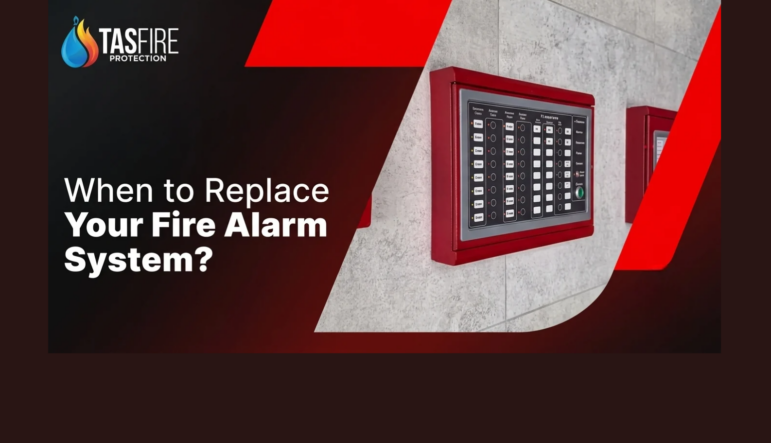
When to Replace Your Fire Alarm System
How old is your fire alarm system? Many owners never ask until it fails or an inspector flags it. By then, the fix is rushed and costs more. Knowing the warning signs early saves money and keeps people safe.
This guide shows when to replace, when to repair, and what the process looks like.
How Long Does a Fire Alarm System Last?
A fire alarm system does not last forever, and its parts age at different speeds. Exact lifespans depend on the manufacturer, the environment, and how well the system is maintained, so always check the manufacturer’s guidance and NFPA 72 rather than relying on a single number.
| Part | How it ages | What to watch for |
| Detectors | Sensors lose accuracy as dust, heat, and humidity build up | Frequent faults, failed sensitivity tests |
| Batteries | Capacity drops steadily and faster in heat | Low battery or trouble signals |
| Control panel | Electronics age and the model may be discontinued | Slow response, error messages, no replacement parts |
| Wiring | Insulation can crack or corrode over time | Ground faults, intermittent trouble signals |
Warning Signs It May Be Time to Replace Your System
The Same Problems Keep Coming Back
A repair that holds for a few weeks and then fails again is a red flag. Repeated trouble signals, device faults, and communication errors often point to a deeper problem such as aging wiring or a failing panel.
Parts Are Hard to Find
When a manufacturer stops making a panel or detector, replacement parts get scarce. Repairs then take longer and cost more, and your building stays at risk while you wait.
Repair Bills Keep Growing
Look at what you have spent on repairs over the last few years. If the total is close to the cost of a newer system, or the bills keep rising, a replacement may be the better value over time.
The System Failed an Inspection
Failed tests, missing devices, and inspector notes are all signs to take seriously. Past inspection reports often show whether a system is simply being maintained or is reaching the end of its useful life.
Your Building Has Changed
A system is designed for the building as it was. New walls, added rooms, a tenant change, or an expansion can leave gaps in coverage that the old system was never meant to handle.
Damage from Water, Power Surges, or Storms
Florida conditions are hard on fire alarm equipment:
- Hurricane season can bring flooding, roof leaks, and long power outages.
- High humidity can corrode panels, connections, and detectors.
- Lightning and power surges can damage wiring and electronics, sometimes without obvious signs at first.
If your system has taken a hit, have it checked before assuming it still works.
The System Does Not Meet Current Codes
Older systems may not match today’s fire code requirements. Requirements vary by building type and location, so ask a licensed fire alarm professional or your local fire authority what applies to your property.
Repair or Replace: How to Decide
| Repair may make sense when | Replacement may make sense when |
| One part is failing | Problems keep returning after repairs |
| The system is fairly new | The equipment is very old |
| Parts are easy to get | The panel or devices are discontinued |
| The building layout has not changed | The building has been expanded or remodeled |
| Inspection issues are minor | The system fails inspections repeatedly |
If your situation sits in the middle, a professional system check can show which side you are on.
Fire Alarm Upgrade Options
Replace the Whole System
A full replacement is the best choice when the equipment is very old, the wiring is failing, or the building has changed a lot. It gives you a system designed around how the building is used today.
Upgrade Only the Control Panel and Devices
Some buildings can keep their existing wiring while the panel and key devices are updated. This is a partial upgrade. It can cost less and cause less disruption, but only if the old wiring is in good condition and compatible with the new equipment.
Wireless Fire Alarm Systems
Wireless systems work well in older buildings where running new wires would mean opening walls or ceilings. Here is how they compare:
- Pros: Faster installation, less damage to the building, and flexibility for historic or hard-to-access areas.
- Cons: Batteries need regular attention, signal strength must be planned around thick walls and metal, and they may not suit every building.
Addressable Systems
An addressable panel shows exactly which device is in alarm, so responders and staff know where to go right away. It is a common choice for upgrades in larger or multi-tenant buildings.
What to Expect During a Replacement
- Site check: A technician walks the building and reviews the current system.
- Design: A layout is prepared for devices, panel, and wiring.
- Permit and plan approval: Plans are submitted to the local authority for review.
- Installation: The new equipment is installed, often in phases.
- Testing: Every device and function is tested.
- Final inspection: The local fire authority checks the work before sign-off.
In Florida, this work must be done by properly licensed professionals and requires permits.
How to Prepare Your Building for an Upgrade
- Gather past inspection and service reports.
- Note the problem areas, such as zones with repeated faults.
- Find any building plans or drawings you have.
- Tell tenants and staff about the schedule and any noise or access limits.
- Plan the work around business hours where possible.
- Ask your contractor about temporary protection, such as a fire watch, while the system is out of service.
When to Call a Professional
Before you decide, ask a licensed fire alarm company for a system check. They can tell you what still works, what does not, and which option fits your building and budget.
TAS Fire Protection has served South Florida properties since 2011. Learn more about our fire alarm system service
Contact Us (905-870-7779) for a Free Consultation!
Frequently Asked Questions
How do I know if my fire alarm system is outdated?
Common signs include discontinued parts, frequent system faults, failed inspections, and inadequate coverage for your building. A professional inspection can help determine whether your fire alarm system needs repairs, upgrades, or complete replacement.
Can I replace just one part of my fire alarm system?
Yes. Individual components, such as detectors, batteries, or control modules, can often be replaced if they are compatible with the existing system. A licensed fire alarm technician should assess the system to ensure everything continues to function properly.
Do I need a permit to upgrade a fire alarm system in Florida?
In most cases, fire alarm system upgrades in Florida require permits and may require plan review and approval from the local authority having jurisdiction. Your licensed fire alarm contractor can help determine the specific requirements for your project.
How long does a fire alarm system replacement take?
The replacement timeline depends on the building’s size, system complexity, and installation requirements. Smaller buildings may take a few days, while larger or more complex projects can take several weeks. Permit approvals and inspections may also affect the overall timeline.
Will my business have to close during a fire alarm system upgrade?
Not necessarily. Many fire alarm upgrades can be completed in phases or scheduled after business hours to minimise disruption. However, some areas may experience temporary system downtime, and a fire watch may be required while fire protection systems are impaired.