
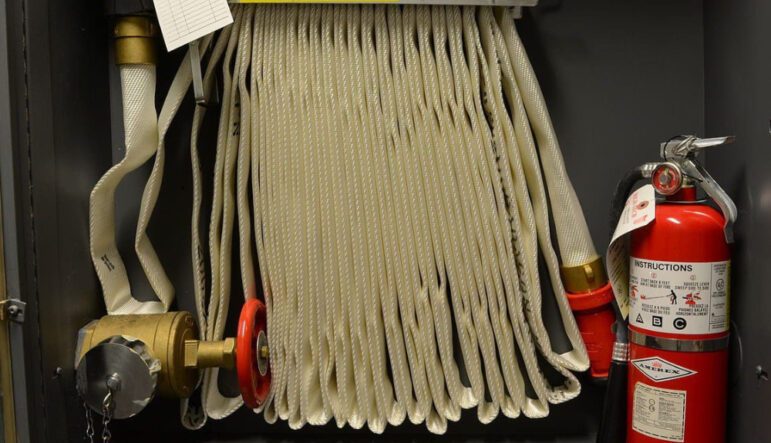
Fire Hoses: Choosing, Using, and Maintaining Them
 Fire hoses are the main tool for delivering water and other extinguishing agents to a fire. Whether you are a firefighter, a facility manager, or a building owner, knowing how to choose, use, and maintain them keeps people safe and your equipment ready. This guide covers hose types, selection, where hoses are used, who uses them, correct handling and upkeep, the NFPA standards that apply, and answers to common questions.
Understanding Fire Hose Types
Fire hoses are built for different jobs. Matching the hose to the task is the first step in choosing correctly.
Attack Hoses
Attack hoses carry water or foam from the pump to the nozzle and are used directly on the fire. They are usually 1.5 to 2.5 inches in diameter and are fitted with nozzles that let the operator adjust flow and spray pattern. They are light enough to move quickly through a structure.
Supply Hoses
Supply hoses are larger, generally 3 to 5 inches in diameter. They move large volumes of water from a hydrant or other source to the fire pump on the engine. Without a steady supply line, even the best attack hose cannot do its job.
Suction Hoses
Suction hoses draw water from unpressurized sources such as ponds, tanks, and portable basins. They are rigid or semi-rigid so they do not collapse under negative pressure. They are especially important in rural areas where hydrants are not available.
Occupant-Use Hoses
Occupant-use hoses are lightweight hoses stored on racks, reels, or in cabinets inside buildings. They are meant for trained people to use on small fires or to support firefighting until the fire department arrives.
Key Considerations for Hose Selection
Several factors affect how a hose performs and how long it lasts.
Material and Construction
Most fire hoses have a woven synthetic jacket, such as polyester or nylon, over a rubber or polyurethane liner. This combination resists abrasion, chemicals, and heat. A double jacket adds durability for structural firefighting, while a single jacket saves weight. Some hoses add an outer rubber or protective cover for extra wear resistance, at the cost of more weight.
Diameter and Length
Diameter controls flow rate and friction loss. A larger diameter delivers more water but is harder to handle. Hose is commonly supplied in 50-foot or 100-foot lengths that can be coupled together. Shorter lengths are easier to carry and store, while longer runs give more reach but add friction loss.
Couplings and Fittings
Couplings join hose to hydrants, pumps, and nozzles. Choose couplings that match your existing equipment, including thread type and size. A mismatched or damaged coupling can leak or fail at the worst moment.
Where Fire Hoses Are Used
Fire hoses are placed wherever a fire could endanger people or property. Common settings include:
- Commercial buildings: Offices, hotels, schools, and shopping centers keep hoses in cabinets or on standpipes for quick access by trained responders.
- Warehouses: Hoses help crews reach fires deep inside tall storage racks and large open floors.
- Industrial sites: Factories and plants use hoses built to resist heat, chemicals, and abrasion, and some deliver foam instead of water.
- High-rises: Standpipe systems let firefighters connect hoses on upper floors, so no one has to drag hose up from the street.
Who Uses Fire Hoses
Fire hoses are used mainly by trained professionals responding to active fires. Firefighters connect hoses to hydrants or fire trucks, set up a steady water supply, and advance the lines toward the fire. They are trained to control pressure, work as a team, and move safely in heat and smoke.
In some facilities, trained staff may also handle building hoses, but only within the limits of their training and local rules. For everyone else, the safest action in a fire is to leave the building and call emergency services.
What Building Owners Should Do
If you manage a property with fire hoses, your main job is keeping them ready:
- Keep hose cabinets and racks clear, visible, and unlocked or accessible to responders.
- Schedule annual inspection and testing with a qualified fire protection company.
- Replace hose that is cracked, worn, mildewed, or has damaged couplings.
- Keep a written record of every inspection, test, and repair.
- Check which local fire code requirements apply to your building.
Proper Usage and Maintenance of Fire Hoses
A fire hose performs best when it is handled carefully during use and cared for consistently afterward.
Handling and Deployment
Avoid dragging hose over sharp or abrasive surfaces. Use hose rollers, ramps, or protectors where the hose crosses edges or pavement. Lay the hose flat and straight before charging it, since kinks and twists restrict flow and stress the jacket.
Pressure Management
Always operate within the hose’s rated working pressure. Open valves slowly and raise pressure gradually, because sudden surges can burst a hose or whip a coupling. Watch the pressure gauges throughout the operation.
Inspection After Every Use
Before a hose goes back into service, check it for cuts, abrasions, burns, crushed spots, bulges, and mildew. Look closely at couplings for dents, damaged threads, loose swivels, and worn gaskets. Tag and remove any hose that looks suspect.
Cleaning and Drying
Brush off loose dirt and rinse with clean water. For heavy soiling, use a mild soap and a soft brush, then rinse thoroughly. Decontaminate hose that touched hazardous materials using approved methods. Dry it completely in a well-ventilated area, away from direct sunlight and hot surfaces.
Storage Guidelines
Store hose only when it is fully drained and dry, in a clean, ventilated, shaded area away from chemicals, sharp edges, and engine exhaust. Reroll or reload hose from time to time so it does not crease in the same spots.
Fire Hose Standards: Understanding NFPA 1961 and NFPA 1962
Two National Fire Protection Association (NFPA) standards guide how fire hose is made and how it is cared for.
NFPA 1961: Standard on Fire Hose
NFPA 1961 covers new fire hose. It sets requirements for design, construction, and performance, including strength and pressure ratings, so that hose meets minimum quality levels before it is sold. When buying hose, check that it is built to this standard.
NFPA 1962: Care, Use, Inspection, Service Testing, and Replacement
NFPA 1962 covers hose once it is in service. It sets rules for how hose, couplings, nozzles, and appliances should be used, inspected, tested, replaced, and documented.
In short, NFPA 1961 is about how hose is built, and NFPA 1962 is about how it is looked after. Always confirm current editions and local fire code requirements with your local fire authority.
Testing and Certification
Regular testing proves that a hose can still handle its rated pressure.
Hydrostatic Testing
In a hydrostatic (service) test, the hose is filled with water and pressurized to its marked test pressure, then checked for leaks, bulges, and coupling movement. NFPA 1962 calls for annual testing of hose in service. Hose that fails should be removed from service and repaired or replaced.
Service Records
Keep a log for each hose, with a unique ID, showing every inspection, cleaning, repair, and test. Over time, these records show wear patterns, support compliance checks, and help you plan replacements before a failure happens.
The Importance of Training
Even good equipment fails if it is used incorrectly. Training prepares people to work safely and effectively under stress.
Regular Training Sessions
Hold refresher sessions on deployment, pressure control, coupling procedures, and care after use. Repetition builds the habits that matter in a real emergency.
Hands-On Practice
Let personnel advance charged lines, work with nozzles, and deal with kinks and leaks in simulated scenarios. Hands-on practice builds confidence and reveals equipment problems before a real fire does.
Innovations in Fire Hose Technology
New developments are making hose lighter, tougher, and easier to use.
Lightweight Materials
Modern fibers and liners reduce weight and improve flexibility without losing strength. This lowers fatigue during long operations and makes hose easier to advance.
Enhanced Coatings
Protective coatings improve resistance to abrasion, chemicals, and heat. They can extend service life and keep hose performing well for longer.
Environmental Considerations
Fire departments and facility managers are paying closer attention to the environmental impact of their equipment.
Eco-Friendly Materials
Some manufacturers now offer hose made with more sustainable materials, with performance comparable to traditional options.
Recycling Programs
Old or damaged hose should not simply be thrown away. Ask manufacturers and suppliers about take-back and recycling programs, so retired hose is handled responsibly.
Frequently Asked Questions
What Are the Different Types of Fire Hose Pipes?
The main types are attack hose, supply hose, and suction hose. Attack hose delivers water to the fire, supply hose moves water from a source to the pump, and suction hose draws water from open sources like ponds and tanks. Other types include occupant-use hose for buildings and forestry hose for wildland firefighting. Hose is also classed as single jacket or double jacket, depending on how many woven layers it has.
What Materials Are Used to Make Fire Hose Pipes?
The woven jackets are made from high-strength synthetic fibers such as polyester, nylon, or a blend of both. Inside, the liner is usually rubber or plastic, most commonly EPDM rubber or thermoplastic polyurethane (TPU). Couplings are made of brass, aluminum, or hardened aluminum alloys. Brass is durable and corrosion resistant, while aluminum is much lighter.
How Often Should Fire Hose Pipes Be Inspected and Maintained?
Inspect hose and couplings after every use. NFPA 1962 also requires annual testing for hose that is still in service, and occupant-use hose is tested to the service test pressure marked on it. Hose that fails inspection or testing should be replaced. Hose on building standpipe systems may also follow NFPA 25 and local fire code, so confirm the exact schedule with your local fire authority.
How Should Fire Hoses Be Cleaned and Dried After Use?
Brush off loose dirt, rinse with clean water, and use mild soap and a soft brush for heavier soiling. Decontaminate hose that touched hazardous materials using approved methods. Drain it fully and dry it in a ventilated area out of direct sun and away from hot surfaces. Always follow the manufacturer’s cleaning instructions for your specific hose.
How Should Fire Hoses Be Stored to Prevent Damage?
Store hose clean, fully drained, and completely dry, in a ventilated, shaded place away from sunlight, heat, chemicals, and sharp edges. Avoid sharp bends and heavy objects on top of the hose, and reroll or reload it periodically so it does not crease in the same spots. Follow NFPA 1962 and the manufacturer’s guidance.
Fire hoses are a critical component of firefighting operations, and understanding how to choose, use, and maintain them is essential for ensuring safety and effectiveness. By following best practices for selection, usage, and maintenance, fire departments can extend the lifespan of their hoses and enhance their overall performance. Regular training and staying informed about technological advancements will further contribute to the effectiveness of firefighting efforts. Ultimately, a well-maintained fire hose is not just a tool; it is a lifeline for firefighters in their mission to protect lives and property.
We Provide Fire Hose Inspection Services
Time and time again, a fire hose in good condition makes a difference between a disaster and a narrow escape in the event of a fire. However, unfortunately, there are usually unseen pieces of this firefighting tool, left in the dusty recess of a facility, which is too easily left to oblivion, overlooked and causing disrepair. A poorly maintained equipment is not merely an inconvenience but perilous for one and all in a building. You need to be certain that each of them on the building is operating well, come crunch time. Contact us for Fire Hoses and Fire Fighting Hoses.
> Learn More
Contact Us (905-870-7779) for a Free Consultation!
—

About TAS Fire Protection
TAS Fire Protection offers comprehensive and cutting-edge fire protection and security services to commercial, industrial, and high-rise properties. Our team of highly skilled professionals has years of experience in installing, maintaining, and inspecting fire alarm systems, fire sprinkler systems, fire extinguishers, fire hydrants, security alarm systems, and more. We understand that fire safety and security is essential to the protection of lives and property.
> Learn More