
How to Create a Fire Safety Plan For Your Organization
 Fire is a devastating and deadly event and one that you can’t forecast happening. It can pose a dangerous threat to human life and property. Every year, thousands of fire incidents are reported in Canada. Even though it is impossible to prevent fire outbreaks, there’s plenty you can do to minimize this risk. It is crucial to take every action you can to prevent a fire from happening and ensure your employees’ safety and the protection of your building. By establishing a fire safety system and evacuation plan, you can protect your people and your business from a catastrophic fire incident.
What is a Fire Safety Plan?
A fire emergency evacuation plan is of the utmost importance in any organisation as it enables you to equip your workplace for a potential emergency. The objective of creating an effective fire safety plan is to get rid of the causes of fire and prevent the loss of lives and properties by fire. A well-developed plan covers all aspects of fire safety and describes how you and your staff can exit safely and appropriately throughout the building or property. It is a detailed document that describes the procedures to follow in a fire emergency, including how to respond, when to respond, and identifies a path of egress, and assigning roles and responsibilities for each action.
As fire is an unexpected event, it only takes seconds to turn a small flame into a full-blown life-threatening fire. So planning ahead is necessary. Gather your key personnel and develop a tailor-made fire safety plan that suits your business and industry. It’s vital that all employees/occupants and managers be aware of the fire safety plan and adequately trained on the procedures. The fire protection plan should also take into account individuals with disabilities and unique requirements.
Key Steps to Develop an Effective Fire Safety Plan
A strong fire safety plan doesn’t happen by accident. It’s built step by step, with input from the people who work in your building every day. Each step below builds on the one before it, so that when an emergency happens, everyone knows what to do and where to go.
The essential steps include:
- Identifying fire hazards: Find what could start or spread a fire, from faulty wiring to improperly stored materials.
- Assigning responsibilities: Appoint trained wardens, route guides, and backups so every task has an owner.
- Establishing evacuation and communication procedures: Define clear escape routes and a reliable way to alert occupants and contact emergency services.
- Maintaining fire safety equipment: Keep alarms, extinguishers, sprinklers, and emergency lighting tested and working at all times.
Safe Storage for Flammable Items
Once you’ve identified your fire hazards, storage is one of the easiest ones to fix. Flammable liquids such as paints, solvents, cleaning products, and fuels can ignite quickly when exposed to heat, sparks, or poor ventilation.
Follow these simple practices:
- Use approved containers: Store flammable liquids in containers designed for that purpose, in a well-ventilated area.
- Keep them away from ignition sources: Place storage away from heat sources, electrical equipment, and busy walkways where containers could be knocked over.
- Label everything clearly: Every container should show what’s inside so staff can handle it correctly and responders know what they’re dealing with.
- Separate incompatible substances: Keep oxidizers away from fuels and other combustibles. Stored together, they can react dangerously or make a fire much harder to control.
Identify Potential Fire Hazards
The primary step of devising a fire safety plan is to inspect your building to find the possible workplace fire hazards that could initiate or contribute to the spread of a fire. You should think ahead about the things that are most likely to cause a disastrous fire and the main threats your business may encounter in the case of a fire. The potential fire hazards can include faulty wires, defective plugs, misuse of electronics like space heaters or cables, heating sources and cooking areas, inappropriate handling and storage of combustible/flammable liquids etc. Once you figure out all the major fire hazards, you should implement adequate measures in place to mitigate these risks, like posting no-smoking signs and rules about the safe use of electronics. Consider banning portable heaters, hot plates, or other potentially dangerous electronics. Don’t forget to inform your employees about the rules and regulations.
Assign Roles and Responsibilities
It is imperative to establish fire safety roles and responsibilities and create an emergency evacuation team with key employees. Train the designated employees on their duties in firefighting and evacuation procedures. Ensure that backup for all roles has been selected and advise them to perform the tasks in the absence of primary personnel.
The prominent roles you should consider assigning to your employees include:
- Chief fire safety warden: The designated chief fire warden has overarching responsibility for the evacuation plan, including planning and preparation. The duties of this employee include checking areas are clear, closing doors and assisting others. Moreover, they perform a final headcount of employees at the safe location to confirm everyone has been evacuated.
- Assistant fire safety warden: This employee is expected to assume the chief fire warden’s responsibilities if the designated person is absent and otherwise assist in the chief warden’s duties like activating the mass alert system, calling the fire department, gathering reports, etc.
- Route guides: The employees in charge are responsible for ensuring a clear passageway to all escape routes. The route guides will direct others safely out of the building.
- Designated fire extinguishers: Choose certain employees and assign them to actuate portable fire extinguishers if a fire event ever happens. These employees in charge must be trained to use the fire extinguisher. If you fail to bring a fire under control within 30 seconds or the extinguisher runs out of fluid, then stop fighting, close the doors and evacuate immediately.
- Floor monitors: Floor monitors are employees designated to ensure everyone has been evacuated on their assigned floor and report directly to the chief fire safety warden.
-
Ensure Exits Are Never Blocked: Even the best evacuation plan fails if people can’t reach the exit. Over time, boxes, equipment, furniture, and seasonal decorations tend to pile up in hallways and near doors. These items can slow evacuation or block it completely when every second counts.
- Determine escape routes and nearest exits: Inspect your enterprise for all possible exits and escape routes to ensure enough emergency exit routes are there for all people to escape. Ensure both primary as well as secondary egress routes are added in the plan because they lead as directly as possible to a safe place. Also, include proper emergency evacuation routes in fire safety plans for differently-abled employees. Escape route signs must be clearly displayed all along the exit route. These emergency exit routes should be kept clear of all obstructions, and all employees should know the escape routes.
Create a communication plan
A good communication plan prepared in advance can alleviate the stress of an emergency and help get everyone out of the building safely. Your plan must encompass a way to alert employees and contact the fire department in the event of a fire. Furthermore, keep a list of relevant contact information, including emergency responders, key stakeholders, hospitals, news media, transportation partners and anyone who relies on your enterprise.
Know your fire safety tools and inspect them
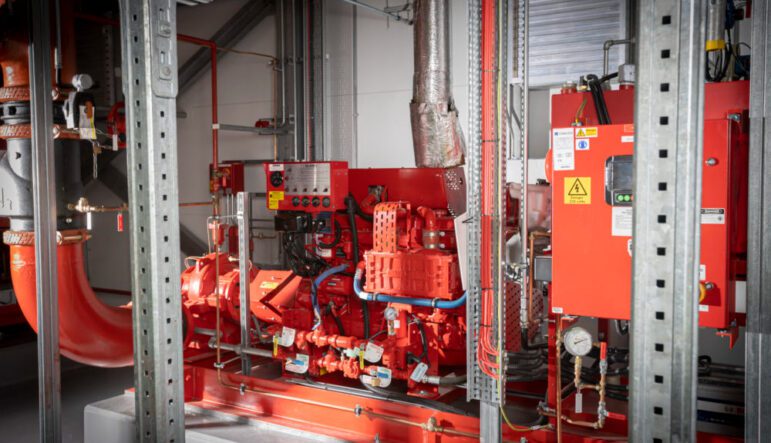
It’s crucial to ensure your organisation is kitted out with the requisite fire detection and warning systems. Also, make sure the firefighting equipment is correctly installed, tested and maintained to guarantee they are fully functional at all times. The fire suppression and prevention tools include smoke detectors, fire alarm systems, fire hydrants, fire extinguishers, fire sprinklers, emergency lighting and more. Keeping essential fire protection tools in good working condition and knowing where they are located is the key to the first line of defense toward protecting both your site and the people in and around it.
Conduct Fire Drills on a Schedule
The more your team practices, the less likely they are to panic or get confused during a real fire. Regular drills let employees rehearse evacuation procedures and give your emergency evacuation team a chance to practice their roles in a simulated situation. A plan that sits in a binder won’t protect anyone unless people have actually walked through it.
Put drills on the calendar instead of leaving them to chance:
- Set a fixed schedule: Run fire drills at least once a year, or more often if your building is large, has high staff turnover, or houses higher-risk operations. Check your local fire code for the frequency required for your type of building.
- Include new employees: Walk new hires through the plan and exit routes as part of onboarding rather than waiting for the next scheduled drill.
- Vary the scenario: Change the starting point of the “fire,” block a primary exit, or run a drill at a different time of day so staff learn to use secondary routes too.
- Involve the whole team: Make sure wardens, route guides, floor monitors, and designated extinguisher users all practice their assigned roles, along with any employees who need assistance evacuating.
- Evaluate and improve: Time the evacuation, note where people hesitated or bottlenecks formed, and record what needs fixing. Apply those changes before the next drill.
Review the plan annually: Update your fire safety plan at least once a year, and after any drill that reveals gaps, changes to the building layout, or staffing changes.
Finalize your Fire Safety Plan
If you have completed all the above steps, you have everything you need to finalize the plan. The fire safety plan should highlight emergency procedures, including activation of alarms, notify the fire department, evacuate occupants, etc. After the fire protection plan has been prepared and approved, make sure to share it with all of your employees.
Frequently Asked Questions
Why does my organization need a fire safety plan?
A fire safety plan protects your people, your property, and your business. It gives everyone clear instructions on what to do, so they can act quickly instead of panicking. In many areas it is also required by local fire codes, and having one can help you pass inspections and meet insurance requirements. It also reduces downtime and financial loss after an incident.
What’s the first step in creating a fire safety plan?
Start by walking through your building to identify fire hazards, such as faulty wiring, overloaded outlets, heating equipment, cooking areas, and improperly stored flammable materials. Knowing your risks first lets you build a plan that fits your actual workplace instead of a generic template.
What should be included in the communication plan?
Your communication plan should explain how occupants will be alerted (alarms, public address systems, or mass notifications) and who calls the fire department. It should also include an up-to-date contact list covering emergency responders, building management, key stakeholders, and hospitals. It should also say how you’ll account for everyone after evacuation and keep staff informed afterward.
What fire safety equipment should organizations have and maintain?
At minimum, organizations should have smoke detectors, a fire alarm system, fire extinguishers, emergency lighting, and exit signs. Depending on your building, you may also need fire sprinklers, hydrants, hoses, or kitchen fire suppression systems. All equipment should be professionally installed, inspected, and tested on a regular schedule so it works when needed.
What should happen after the fire safety plan is finalized?
Share the plan with all employees and make sure they are trained on it, including new hires. Post evacuation maps and exit signs, give copies to wardens and managers, and schedule your first drill. Then review the plan regularly and update it when your building, staffing, or operations change.
We Provide Fire Protection Services
You understand the critical importance of fire protection services in safeguarding your property and, more importantly, your life and the lives of those around you. These services encompass a wide range of measures designed to prevent, detect, and suppress fires in your home or workplace.
> Learn More
Contact Us (905-870-7779) for a Free Consultation!
—

About TAS Fire Protection
TAS Fire Protection offers comprehensive and cutting-edge fire protection and security services to commercial, industrial, and high-rise properties. Our team of highly skilled professionals has years of experience in installing, maintaining, and inspecting fire alarm systems, fire sprinkler systems, fire extinguishers, fire hydrants, security alarm systems, and more. We understand that fire safety and security is essential to the protection of lives and property.
> Learn More