A Complete Guide to Fire Suppression Systems: Types, Maintenance, and Compliance
 The safety of commercial buildings and their occupants is paramount. One of the most effective ways to ensure this safety is through the installation of fire suppression systems. These systems are designed to detect and extinguish fires quickly, minimizing damage and protecting lives. Understanding the various types of fire suppression systems, their functionalities, and maintenance requirements is essential for any business owner. This article will delve into the intricacies of fire suppression systems, providing a comprehensive guide to help you make informed decisions.
Understanding Fire Suppression Systems
Fire suppression systems are engineered to combat fires by detecting them early and deploying extinguishing agents to control or eliminate the flames. These systems can be automatic or manual, and they often integrate with fire alarm systems to provide comprehensive protection. The primary goal is to minimize damage to property and ensure the safety of individuals within the premises.
Components of Fire Suppression Systems
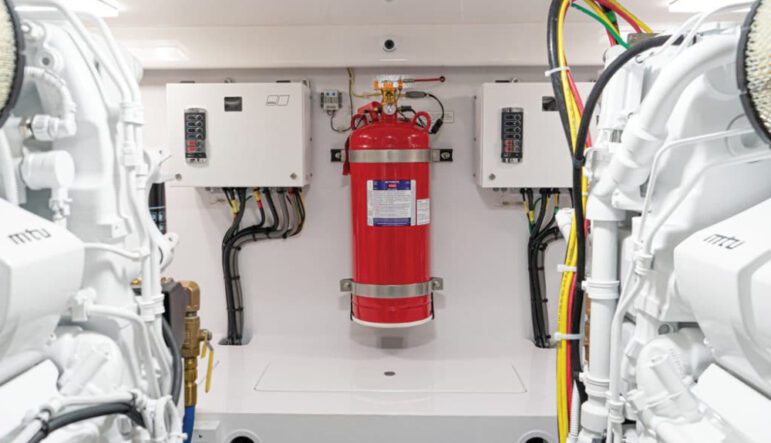
A typical fire suppression system consists of several key components:
Detection Devices: These include smoke detectors and heat sensors that identify the presence of fire.
Control Panel: This is the brain of the system, processing signals from detection devices and activating the suppression mechanism.
Suppression Agents: These are the materials used to extinguish fires, which can be water, foam, chemicals, or gases.
Delivery Mechanism: This includes pipes, nozzles, or tubes that transport the suppression agent to the fire.
Types of Fire Suppression Systems
Fire suppression systems can be categorized into several types, each designed for specific applications and fire classes. Understanding these types is crucial for selecting the right system for your needs.
Water-Based Fire Suppression Systems
Water-based systems are among the most common fire suppression solutions. They utilize water to extinguish fires and are often found in commercial buildings.
Types of Water-Based Systems
Wet Pipe Sprinkler Systems: These systems are filled with water at all times and activate automatically when a fire is detected.
Dry Pipe Sprinkler Systems: These systems contain pressurized air or nitrogen, which prevents water from entering the pipes until a fire is detected.
Pre-Action Systems: These require two triggers to activate, making them suitable for areas with sensitive equipment.
Deluge Systems: These systems release large amounts of water simultaneously and are ideal for high-hazard areas.
Advantages and Disadvantages
Advantages: Water-based systems are cost-effective, easy to maintain, and can cover large areas, making them the standard choice for most commercial buildings.
Disadvantages: They can cause water damage to sensitive equipment, electronics, or inventory, so they’re not ideal for server rooms, archives, or similar spaces.
Chemical Fire Suppression Systems
Chemical suppression systems utilize various agents to extinguish fires, making them suitable for environments where water could cause damage.
Types of Chemical Agents
Dry Chemical Agents: These are often used in commercial kitchens and industrial settings to combat flammable liquids and gases.
Wet Chemical Agents: These are specifically designed for kitchen fires, effectively extinguishing grease fires without causing re-ignition.
Foam Agents: These create a barrier between the fuel and the fire, smothering the flames and preventing re-ignition.
Advantages and Disadvantages
Advantages: Chemical systems act fast on flammable liquid and grease fires, work well in kitchens and industrial settings, and are a safer choice than water where water damage is a concern.
Disadvantages: Dry chemical agents leave behind a residue that needs cleanup, some agents can corrode metal surfaces over time, and the system must be fully recharged after every use.
Clean Agent Fire Suppression Systems
Clean agent systems use environmentally friendly chemicals that do not leave residues, making them ideal for sensitive areas.
How Clean Agents Work
Clean agents, such as Novec 1230 or FM-200, work by interrupting the chemical reaction of the fire. They are stored as liquids and vaporize upon release, effectively cooling the flames and displacing oxygen.
Applications of Clean Agent Systems
These systems are commonly used in data centers, museums, and other facilities housing sensitive equipment. Their quick activation and minimal cleanup make them a preferred choice for many businesses.
Advantages and Disadvantages
Advantages: Clean agents leave no residue, activate quickly, and are safe to use around sensitive electronics and valuable assets like server rooms, data centers, and museums.
Disadvantages: Clean agent systems are more expensive to install and maintain, they need a tightly sealed room to work effectively, and cylinder storage takes up physical space.
Inert Gas Fire Suppression Systems
Inert gas systems utilize gases like nitrogen, argon, or carbon dioxide to extinguish fires by reducing the oxygen concentration in the air.
Mechanism of Action
When released, inert gases displace oxygen, effectively suffocating the fire. These systems are particularly useful in environments where water or chemicals could cause damage.
Ideal Environments for Inert Gas Systems
Inert gas systems are often employed in server rooms, archives, and other areas where protecting valuable assets is critical.
Advantages and Disadvantages
Advantages: Inert gas systems put out fires without water, chemicals, or residue, making them ideal for protecting valuable equipment and archives without causing damage.
Disadvantages: They need more cylinder storage space than clean agent systems, cost more to install, and occupied spaces need an evacuation plan since the gas reduces oxygen levels.
Fire Suppression System Maintenance
Regular maintenance is essential to ensure the reliability and effectiveness of fire suppression systems. Neglecting maintenance can lead to system failures during emergencies.
Importance of Regular Inspections
Conducting routine inspections helps identify potential issues before they escalate. It is recommended to have a professional service provider conduct these inspections at least once a year.
Maintenance Checklist
Inspect detection devices for functionality.
Test the control panel and alarm systems.
Check the integrity of pipes and nozzles.
Ensure suppression agents are adequately stocked.
Compliance and Regulations
Adhering to local fire codes and regulations is crucial for any business. Non-compliance can lead to legal repercussions and increased liability.
Understanding Local Fire Codes
Each region has specific fire safety regulations that dictate the types of systems required for different buildings. Familiarizing yourself with these codes is essential for compliance.
Working with Professionals
Engaging with fire safety professionals can help ensure that your fire suppression system meets all necessary regulations and standards.
Choosing the Right Fire Suppression System
Selecting the appropriate fire suppression system involves considering various factors, including the type of business, potential fire hazards, and environmental impact.
Conducting a Risk Assessment
Before making a decision, conduct a thorough risk assessment to identify potential fire hazards and the materials present in your facility. This assessment will guide you in selecting the most suitable system.
Evaluating System Options
Consider the following when evaluating fire suppression systems:
Fire Class Compatibility: Ensure the system is designed to combat the specific types of fires you may encounter.
Environmental Impact: Opt for eco-friendly systems that comply with modern sustainability practices.
Budget Constraints: Balance cost with effectiveness, ensuring the system meets your needs without exceeding your budget.
The Role of Technology in Fire Suppression
Advancements in technology have significantly improved the effectiveness and reliability of fire suppression systems.
Smart Fire Suppression Systems
Modern systems can integrate with building management systems, allowing for real-time monitoring and alerts. This technology enhances response times and overall safety.
Future Trends
As technology continues to evolve, we can expect to see more innovative solutions in fire suppression, including enhanced detection methods and automated response systems.
Frequently Asked Questions
How do inert gas fire suppression systems work?
Inert gas systems put out fires by lowering the oxygen level in a room. Gases like nitrogen, argon, or carbon dioxide are released into space, which reduces the oxygen enough to stop the fire from burning, without harming equipment or leaving any residue behind.
What factors should be considered when selecting a fire suppression system?
Start with what you’re protecting, a server room needs a different system than a commercial kitchen. Then think about the type of fire risk in that space, whether water or chemical damage is a concern, your budget, and how eco-friendly you need the system to be. A professional risk assessment is the best way to match the right system to your space.
Why is compliance important for fire suppression systems?
Following local fire codes and standards ensures your system will actually work when you need it most. Non-compliant systems can fail during an emergency, put lives at risk, and lead to fines or legal trouble. Staying compliant also means your system passes inspections and keeps your insurance and coverage valid.
Fire suppression systems are a vital component of any commercial building’s safety strategy. By understanding the various types of systems available, their functionalities, and the importance of regular maintenance, business owners can make informed decisions that protect lives and property. Investing in the right fire suppression system not only ensures compliance with regulations but also provides peace of mind, knowing that you have taken proactive measures to safeguard your assets.
We Provide Fire Suppression System Inspection and Maintenance Services
TAS Fire Protection is a licensed Fire protection inspection provider. If you’re seeking fire suppression system inspection, our factory-trained fire suppression technicians can render the complete care and attention you require to stay confident in your inspected safety equipment.
> Learn More
Contact Us (905-870-7779) for a Free Consultation!
—
About TAS Fire Protection
TAS Fire Protection offers comprehensive and cutting-edge fire protection and security services to commercial, industrial, and high-rise properties. Our team of highly skilled professionals has years of experience in installing, maintaining, and inspecting fire alarm systems, fire sprinkler systems, fire extinguishers, fire hydrants, security alarm systems, and more. We understand that fire safety and security is essential to the protection of lives and property.
> Learn More